First Year Students
Welcome to Virginia State University! Your first year is a pivotal time of transition, exploration, and growth. New admission students participate in orientation programs, placement testing, and academic planning sessions designed to set you up for success. You'll be assigned a first-year advisor who specializes in helping new students navigate general education requirements, adjust to college-level academics, explore potential majors, and connect with campus resources. Take advantage of first-year seminars, learning communities, and support programs specifically designed to ensure your successful start at VSU.
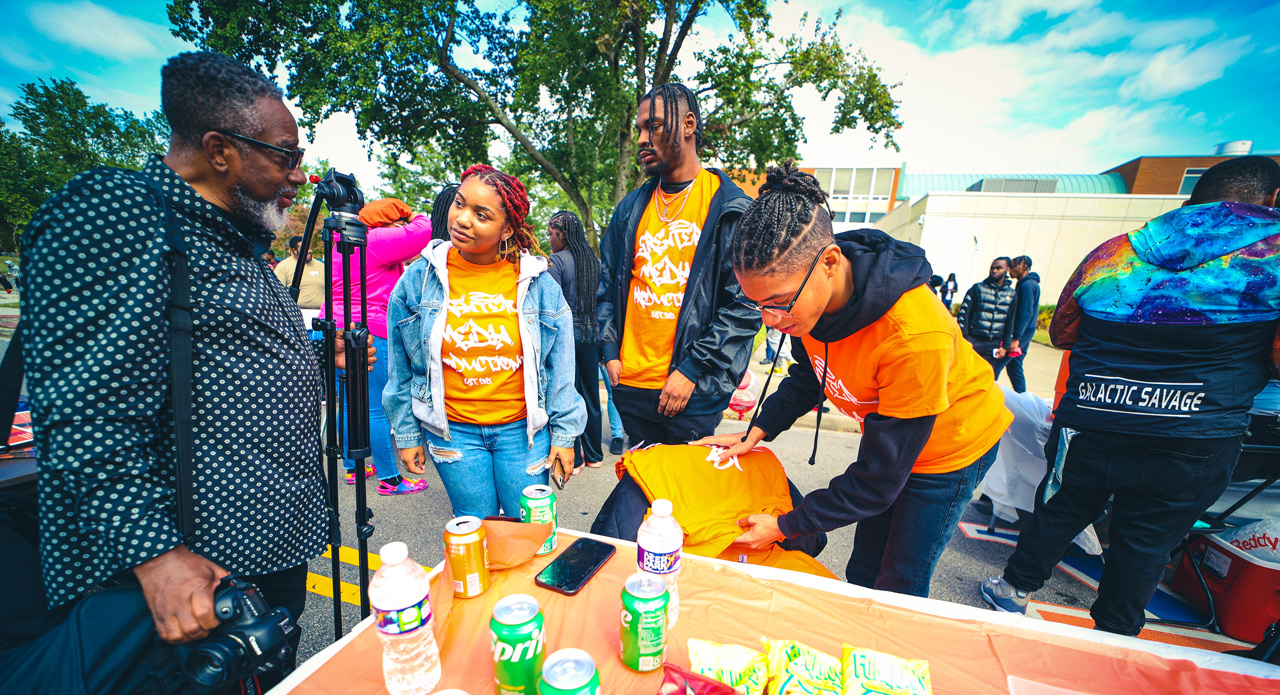
Orientation Programs
New student orientation introduces you to VSU's academic expectations, campus culture, and available resources while helping you begin the transition from high school to college.
Mandatory Attendance: Orientation is required for all new first-year students. The program provides essential information about academic policies, registration procedures, campus services, and student life.
Students who miss orientation face significant disadvantages in understanding university systems and expectations.
What Happens at Orientation: Orientation typically includes academic advising sessions where you'll meet with an advisor and plan your first-semester schedule, campus tours introducing you to key buildings and resources, student services presentations explaining financial aid, housing, dining, and other services, social activities helping you meet fellow students and begin building community, and parent/family programs (if applicable) addressing how families can support student success.
When Orientation Occurs: Orientation sessions typically occur during the summer before your first semester. Multiple session dates allow you to choose timing that works for your schedule. Earlier sessions may offer advantages for course registration, as popular courses fill throughout the summer. Register for orientation as soon as you're admitted to secure your preferred dates.
Virtual and In-Person Options: VSU may offer both in-person and virtual orientation options depending on circumstances and student location. In-person orientation provides more comprehensive experiences and better opportunities to meet other students, but virtual options serve students who cannot travel to campus before the semester begins.
Placement Testing
Placement tests assess your preparation in key subject areas and ensure you enroll in courses appropriate for your skill level. These tests don't affect your admission but do determine which courses you're ready to take.
Required Testing Areas: Most students complete placement testing in mathematics, determining whether you begin in developmental math, algebra, precalculus, or calculus, and English/writing, assessing writing skills and sometimes determining composition course placement. Some programs require foreign language placement for students continuing languages studied in high school.
When Testing Occurs: Placement testing typically happens during orientation, though some students complete testing earlier through online proctored systems. Complete required testing before meeting with your advisor so results are available for course planning.
How Results Are Used: Placement test results determine your starting point in sequential subjects like mathematics. If your placement suggests you need foundational coursework, this preparation benefits you by ensuring you have necessary skills for college-level courses. Don't view placement into developmental courses as failure; view it as ensuring your success by providing needed preparation.
Retesting Policies: Some institutions allow retesting if you're unhappy with initial placement results. However, retesting requires time and may not be available during orientation. Focus on performing your best on initial placement tests. If you believe results don't reflect your abilities, discuss options with your advisor.
First-Year Advising Structure
First-year students receive specialized advising focused on the unique needs and challenges of the transition to college.
Your First-Year Advisor: You'll be assigned an advisor who specializes in working with first-year students. This advisor may be a faculty member or a professional advisor in the Department of Mass Communications. Your first-year advisor understands the challenges of transition and can help you navigate general education requirements, explore majors, and access campus resources. Your first year advisor is based on the number of credit hours you have achieved at the University or not. If you have a total of 39 credit hours achieved in the Department of Mass Communications you will be assigned a professional advisor in the department based on your last name. Otherwise, a first year student will be advised in the Academic Success Center located in the library.
What Your First-Year Advisor Provides: First-year advisors help you understand general education requirements and create a first-year plan, develop strategies for academic success and time management, explore potential majors and connect major interests with course selections, navigate university policies and procedures, and connect with support services like tutoring, counseling, and academic skills workshops. Your first-year advisor serves as a key point of contact during your initial semesters.
Transition to Departmental Advisor: Once you declare a major (typically by end of sophomore year), you'll transition to a faculty advisor in your major department after achieving 39 credit hours). This advisor brings specialized knowledge of your major's requirements and career paths. Your first-year advisor prepares you for this transition by helping you understand major options and requirements.
Required Meetings: You must meet with your advisor at least once per semester, particularly before registration. Many first-year students benefit from more frequent contact, especially during the first semester when everything is new. Don't hesitate to schedule additional appointments whenever you have questions or concerns.
General Education Focus
Your first year emphasizes general education courses that provide foundational knowledge and skills while allowing you to explore different disciplines.
Why General Education Matters: General education courses develop critical thinking, writing, quantitative reasoning, and analytical skills needed across all disciplines. These courses expose you to diverse perspectives and fields of study, helping you become a well-rounded, educated person. Even if you know your major, general education courses provide context and broaden your understanding. Typical First-Year General Education: Most first-year students take composition/writing courses (typically required in first year), mathematics or quantitative reasoning courses, natural sciences with labs, social sciences introducing disciplines like psychology, sociology, or political science, and humanities courses in literature, philosophy, or history. This mix provides breadth while you explore potential majors.
Balancing Gen Ed and Major Exploration: Even in your first year, include 1-2 courses related to potential majors if possible. If you're considering psychology, take Introduction to Psychology. If you're interested in history, take an introductory history course. This exploration helps confirm or redirect your major interests early.
Strategic Scheduling: Consult your degree audit to understand which general education categories need fulfillment. Choose courses that interest you within required categories rather than taking courses arbitrarily. General education offers flexibility; use it to explore genuine interests.
Recommended First-Semester Course Load
Your first semester course load should balance maintaining full-time status with allowing time to adjust to college-level work and campus life.
13-15 Credit Hours Recommended: Most first-year students should take 13-15 credit hours their first semester. This load maintains full-time status for financial aid, housing, and other benefits while providing manageable transition into college academics. A 15-hour schedule (typically five 3-credit courses) is standard and appropriate for students with solid high school preparation. Students with concerns about adjustment may start with 12-13 hours.
Avoid Overloading: Taking 18 hours or requesting overloads in your first semester is inadvisable. You cannot accurately predict how you'll adjust to college workload, independence, and expectations until you experience them. Starting with excessive course loads often results in stress, poor performance, or withdrawal from courses. You can increase your load in future semesters once you know your capacity.
Balance Course Difficulty: Mix courses of varying difficulty in your first semester. Include required courses that may challenge you alongside courses in areas of strength or interest. Don't schedule your four hardest anticipated courses together. Balance allows you to allocate time strategically and prevents overwhelming stress.
Consider Your Circumstances: Students who work substantial hours, have family responsibilities, or face other significant commitments should consider lighter first-semester loads (12-13 hours). Discuss your specific situation with your advisor to determine appropriate balance.
First-Year Seminar Programs
Many institutions offer first-year seminar or First-Year Experience (FYE) courses designed specifically to support new student success. What FYE Courses Offer: First-year seminars typically provide introduction to college-level expectations and academic skills, strategies for time management, study skills, and note-taking, information about campus resources and how to access them, opportunities to build relationships with faculty and peers, and topics introducing academic disciplines or addressing first-year challenges. These courses recognize that adjusting to college requires more than just academics.
Credit and Requirements: First-year seminars may be required or optional depending on your program. They typically offer 1-3 credits and may satisfy general education requirements or count as free electives.
Check with your advisor about whether FYE courses are required in your program.
Small Class Benefits: First-year seminars are typically small courses (15-25 students) allowing more interaction with instructors and peers than large lecture courses. This format helps you build community and connections early in your college experience.
When to Take FYE: If your program offers first-year seminars, taking one in your first semester provides maximum benefit. The skills and connections you develop early support your entire first year.
Learning Communities
Learning communities connect groups of first-year students through shared courses, creating built-in study groups and support networks. How Learning Communities Work: You enroll in a cluster of 2-3 courses with the same group of students. For example, all students in your learning community might take the same sections of English Composition, Introduction to Psychology, and First-Year Seminar together. This cohort structure helps you form friendships and study partnerships quickly.
Benefits of Learning Communities: Shared courses mean automatic study partners who are learning the same material, easier formation of friendships and support networks, integrated learning where instructors may coordinate content across courses, and stronger connection to campus through built-in community. Research shows learning community participants have higher retention and success rates than other first-year students.
Enrollment Process: Learning communities typically have limited spaces and may require application or early registration. If interested, indicate this during orientation or advising appointments. Not all students participate in learning communities; they're one option among several for structuring your first year.
Major Declaration Timeline
Most students don't need to declare majors immediately upon entering college, though some competitive programs require early declaration. When to Declare: Typical timeline for major declaration is end of sophomore year or when you've completed 45-60 credit hours. This allows time to explore interests through general education courses, complete foundational courses in potential majors, and make informed decisions based on actual college experience.
Undecided is Okay: Entering college undecided or uncertain about your major is completely normal. Your first year is designed to support exploration. Use general education requirements to sample different disciplines, talk with faculty in areas that interest you, and observe which courses engage you most.
Early Declaration Requirements: Some programs such as nursing, engineering, or competitive business programs may require early application or declaration. If you're interested in these fields, research specific requirements and timelines during your first semester. These programs often have prerequisite courses you should begin immediately.
Changing Your Major: Declaring a major isn't an irrevocable commitment. Many students change majors during college, and VSU has procedures for major changes. However, earlier exploration and thoughtful initial choices minimize time added to degree completion.
Exploratory/Undecided Major Support
Students who haven't declared majors receive specialized advising support focused on exploration and discovery.
Undecided Advising: If you're undecided, you'll likely work with an advisor who specializes in helping students explore majors. This advisor understands typical paths through various majors, can suggest courses for exploration, and helps you think through your interests, strengths, and career goals.
Exploration Strategies: Use your first year to explore systematically. Take introductory courses in multiple fields that interest you. Attend major fairs or department information sessions. Talk with students currently in majors you're considering. Visit professors during office hours to learn about fields. Research careers associated with different majors.
Assessment Tools: Career Services and your advisor may suggest interest inventories or career assessments that help identify fields aligned with your preferences and values. While these tools don't make decisions for you, they provide data for reflection and exploration.
Timeline for Decision: While you don't need to declare immediately, set a timeline for your decision. By end of first year, narrow options to 2-3 majors you're seriously considering. By early sophomore year, identify your leading choice and take courses confirming that interest.
By end of sophomore year, declare your major. This progressive approach balances exploration with timely decision-making.
Academic Expectations and Adjustment
College academics differ significantly from high school in workload, independence, and expectations. Understanding these differences helps you adjust successfully.
Independent Learning: College courses assume you'll do substantial learning outside class through reading, assignments, and study. For every credit hour, expect 2-3 hours of outside work weekly. A 15-credit semester requires 30-45 hours of study time per week beyond classes. This independent work is where deep learning happens.
Different Teaching Styles: College professors lecture, lead discussions, facilitate activities, or combine approaches. They expect you to come to class having done readings and prepared to engage. They won't remind you about assignments or check that you're keeping up. This independence requires discipline and self-management.
Higher Standards: College courses move faster and cover more material than high school courses. Expectations for writing, critical thinking, and analysis are higher. A's in college typically require deeper understanding and more sophisticated work than A's in high school. Adjust your expectations and put in necessary effort.
Getting Help Early: If you're struggling in courses, seek help immediately. Don't wait until you're failing. Office hours, tutoring, study groups, and academic support services exist to help you succeed. Using these resources demonstrates smart learning strategies, not weakness.
Time Management and Study Skills
Successful first-year students develop effective time management and study strategies early.
Create Consistent Routines: Establish regular times for studying, sleeping, eating, and recreation. Consistency helps you accomplish necessary tasks without last-minute panic. Treat studying like a job with scheduled hours, not something you fit in when convenient.
Use Campus Resources: VSU offers time management and study skills workshops through the Academic Support Center. Attend these workshops early in your first semester to learn effective strategies before you need to recover from poor performance.
Break Down Large Tasks: Long-term assignments like research papers should be broken into smaller tasks with self-imposed deadlines. Don't wait until the week before papers are due to begin research and writing. Starting early reduces stress and improves quality.
Find Your Study Environment: Experiment with study locations. Some students focus best in quiet library spaces, others in coffee shops with background noise. Some study effectively in their rooms, others need to leave their residence. Discover what works for you.
Balance Academics and Life: College is more than coursework. Involvement in activities, development of friendships, and self-care all matter for success and wellbeing. Balance means allocating time for academics, social engagement, physical activity, and rest.
Campus Involvement Opportunities
Your first year is the ideal time to explore campus involvement and build connections beyond academics.
Student Organizations: VSU offers numerous clubs and organizations around interests, academic fields, cultural identities, hobbies, service, and more. Attend involvement fairs at the beginning of the year, try several organizations that interest you, and commit to 1-2 where you find genuine connection. Involvement builds community and enhances your college experience.
Academic Clubs: Many departments sponsor clubs related to their fields, such as Psychology Club, History Society, or Pre-Law Society. These clubs connect you with other students in your intended major, provide information about careers and graduate school, and offer opportunities to meet faculty informally.
Volunteer and Service: Service opportunities help you connect with the broader community, develop leadership skills, and contribute meaningfully beyond campus. Many students find service work provides perspective and purpose alongside academic pursuits.
Athletics and Recreation: Whether through intramural sports, club sports, or fitness classes, physical activity supports both physical and mental health. The Wellness Center offers facilities and programs for students at all fitness levels.
Balance Involvement and Academics: While involvement matters, your primary responsibility is academic success. Avoid overcommitting during your first semester. Starting with 1-2 involvements allows time to adjust to academic demands. You can increase involvement as you develop better time management.
First-Year Residence Life
Living on campus (for students in residence halls) provides immersive college experiences and built-in community.
Benefits of Campus Living: Residence life offers proximity to classes, libraries, and campus resources, built-in social opportunities through residence hall programming, support from Resident Assistants trained to help first-year students, and immersion in college life that commuting students may miss.
Residence Hall Resources: Resident Assistants (RAs) serve as peer mentors and resources for residents. They plan programs, address concerns, and connect residents with campus services. Don't hesitate to talk with your RA about questions or challenges.
Roommate Relationships: Living with a roommate requires communication, compromise, and respect. Establish expectations early about guests, quiet hours, shared spaces, and study times. Address conflicts promptly and respectfully rather than letting resentments build. Your RA can help meditate roommate conflicts if needed.
Creating Balanced Space: Your residence hall room serves multiple purposes: sleep space, study space, and social space. Create zones that support each function. Keep your room reasonably organized to reduce stress and support productivity.
Transition Support Services
VSU provides numerous services specifically supporting first-year student success and wellbeing.
Academic Support Center: Provides tutoring, study skills workshops, and academic coaching. Services are free for students and designed to support success in challenging courses. Visit early in the semester to learn available services rather than waiting until you're struggling.
Counseling Center: Offers individual counseling, group programs, and workshops addressing mental health, stress management, and personal challenges. Adjusting to college can bring stress, homesickness, or uncertainty. The Counseling Center at (804) 524-5939 provides confidential support.
Writing Center: Offers one-on-one assistance with writing assignments at any stage from brainstorming through revision. Writing Center consultants help you develop stronger writing skills and confidence. All students benefit from Writing Center support, not just those struggling.
Career Services: Even in your first year, Career Services offers career exploration resources, major selection guidance, and introduction to career planning. Early engagement with Career Services supports informed major selection and career preparation.
First-Generation Student Support
Students who are the first in their families to attend college may face unique challenges and benefit from specific support programs.
What First-Gen Means: First-generation students have parents/guardians who did not complete bachelor's degrees. This distinction doesn't reflect your capabilities but acknowledges that navigating college without family experience with higher education can present unique challenges.
First-Gen Resources: VSU may offer programs specifically for first-generation students including mentoring programs, peer support groups, workshops on navigating college, and connection to faculty and staff who understand first-gen experiences. Inquire with the Dean of Students Office about first-generation student resources.
Building Cultural Capital: College has unwritten rules and expectations that students from college-educated families may absorb through family experience. First-generation students may need to learn these explicitly. Don't hesitate to ask questions about processes, expectations, or opportunities that seem unclear. Everyone at VSU wants to support your success.
Key First-Year Deadlines and Milestones
Knowing important deadlines helps you stay on track throughout your first year.
First Semester: Register for spring courses (early November), Complete any required first-year program assessments, Apply for scholarships with spring deadlines, and Connect with potential major departments if you've identified interests.
Second Semester: Begin considering major options seriously, Register for fall sophomore year courses (early April), Apply for summer opportunities such as internships or research programs, and Begin developing your four-year graduation plan with your advisor.
End of First Year: Reflect on your first-year experience and identify lessons learned, Confirm or adjust major interests based on first-year courses, Plan your sophomore year course schedule in consultation with your advisor, and Set goals for your sophomore year.
Questions?
For first-year student questions:
Department of Mass Communications
Phone: (804) 524-5000
New Student Programs (for orientation questions) Check the VSU website for contact information
Your first year establishes the foundation for your entire college experience. Take advantage of support services, build relationships with faculty and peers, and approach your transition with openness to growth and learning. Welcome to VSU!